our approach aimed at maximizing productivity & efficiency.
Founder, Fireshed Forestry Solutions
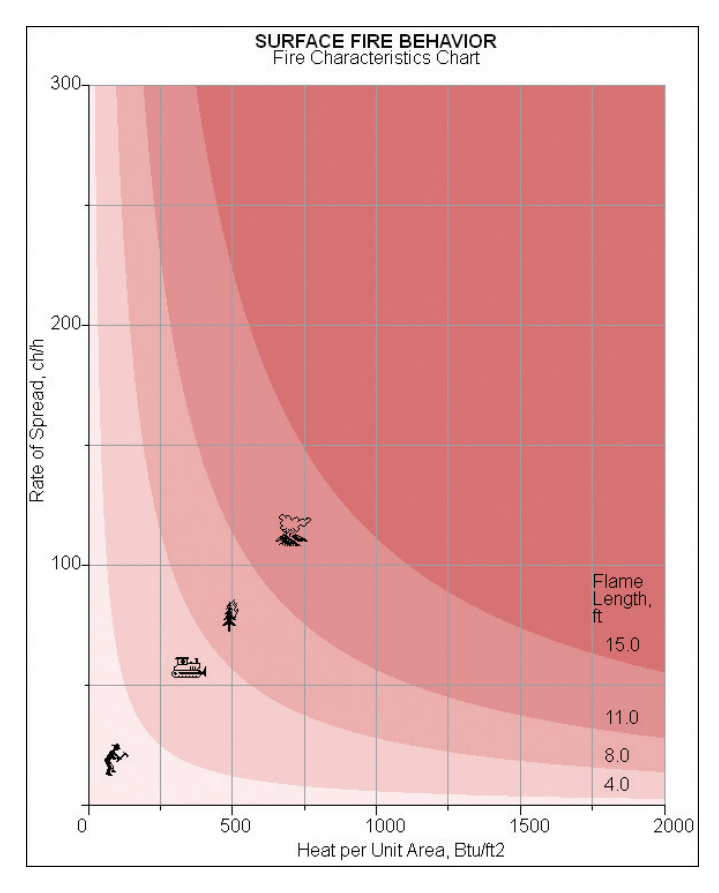
Our Fire Behavior Analytical Services provide advanced, science-based insights into wildfire behavior, risk, and progression. With experience at the highest levels of incident response — including Type I Fire Behavior Analyst roles on CAL FIRE Incident Management Teams — we deliver actionable analytics that help agencies, organizations, and private stakeholders make informed decisions for both real-time incident response and long-term fire planning.
Wildland Fire Spread Modeling & Fire Progression Analytics
We use advanced simulation tools to model how wildfires are likely to spread under varying conditions. These analyses provide decision support for firefighting operations, prescribed burning, and pre-incident planning.
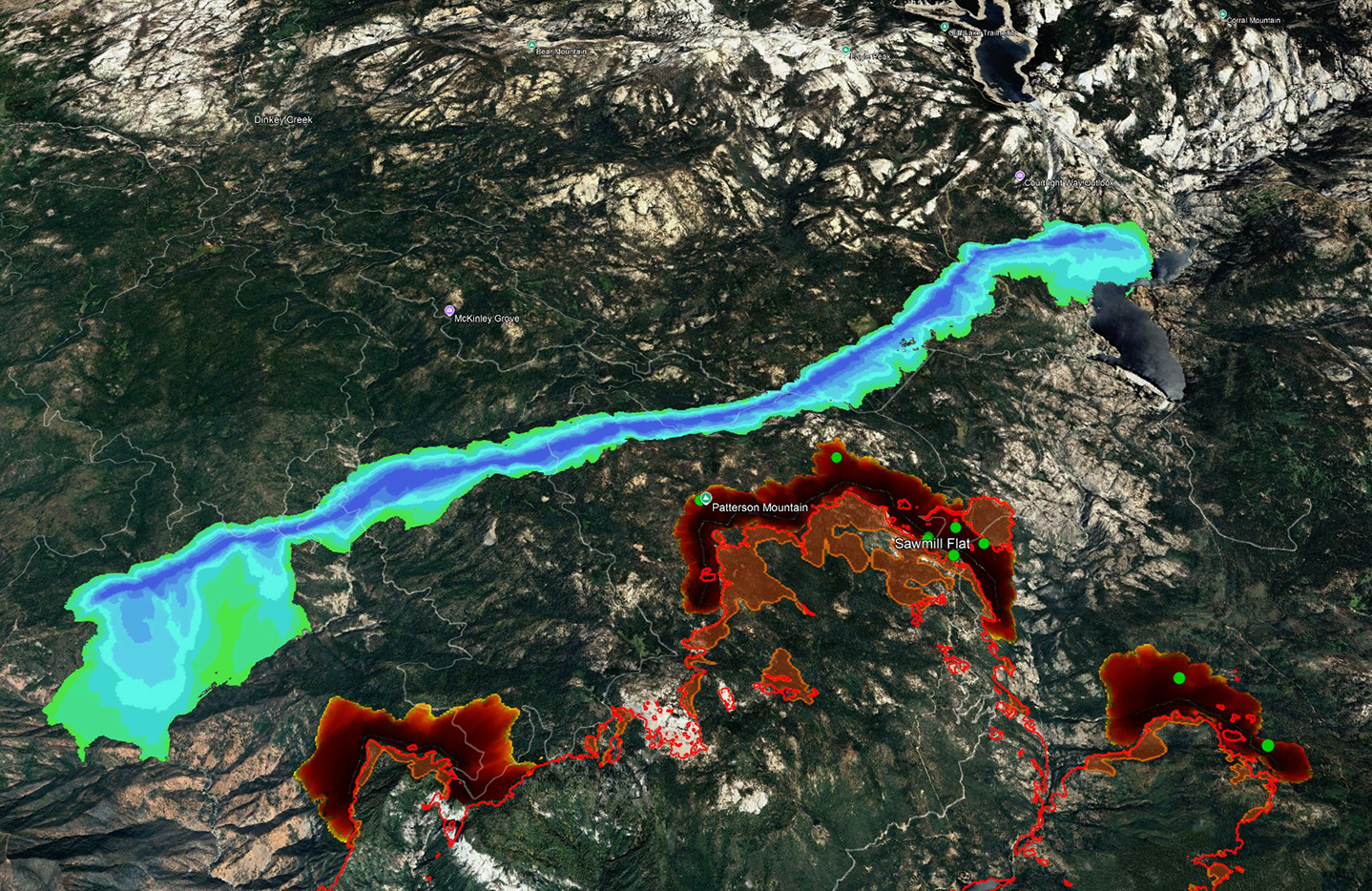
Garnet Fire Modeling
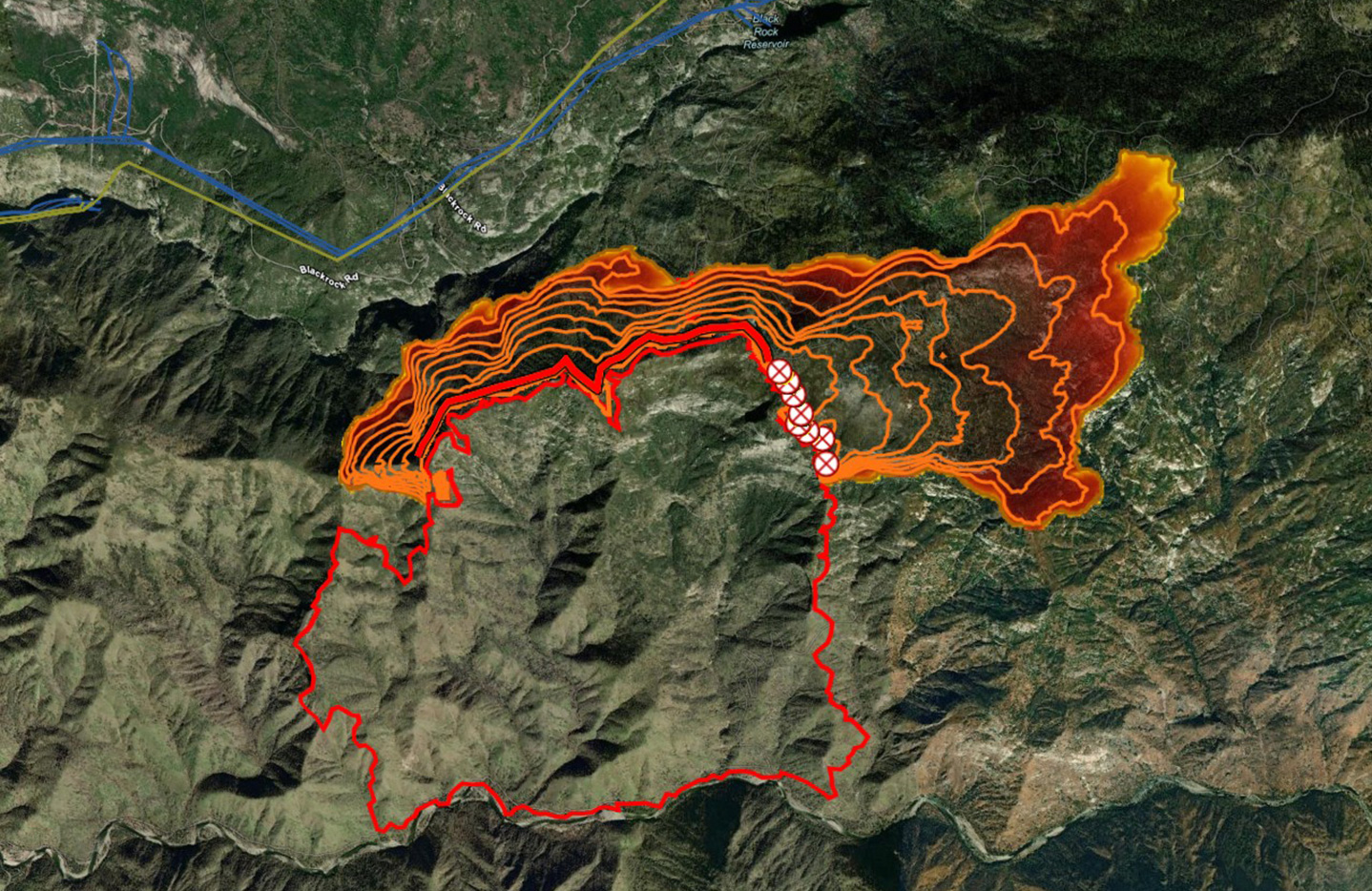
Garnet Fire Modeling 2
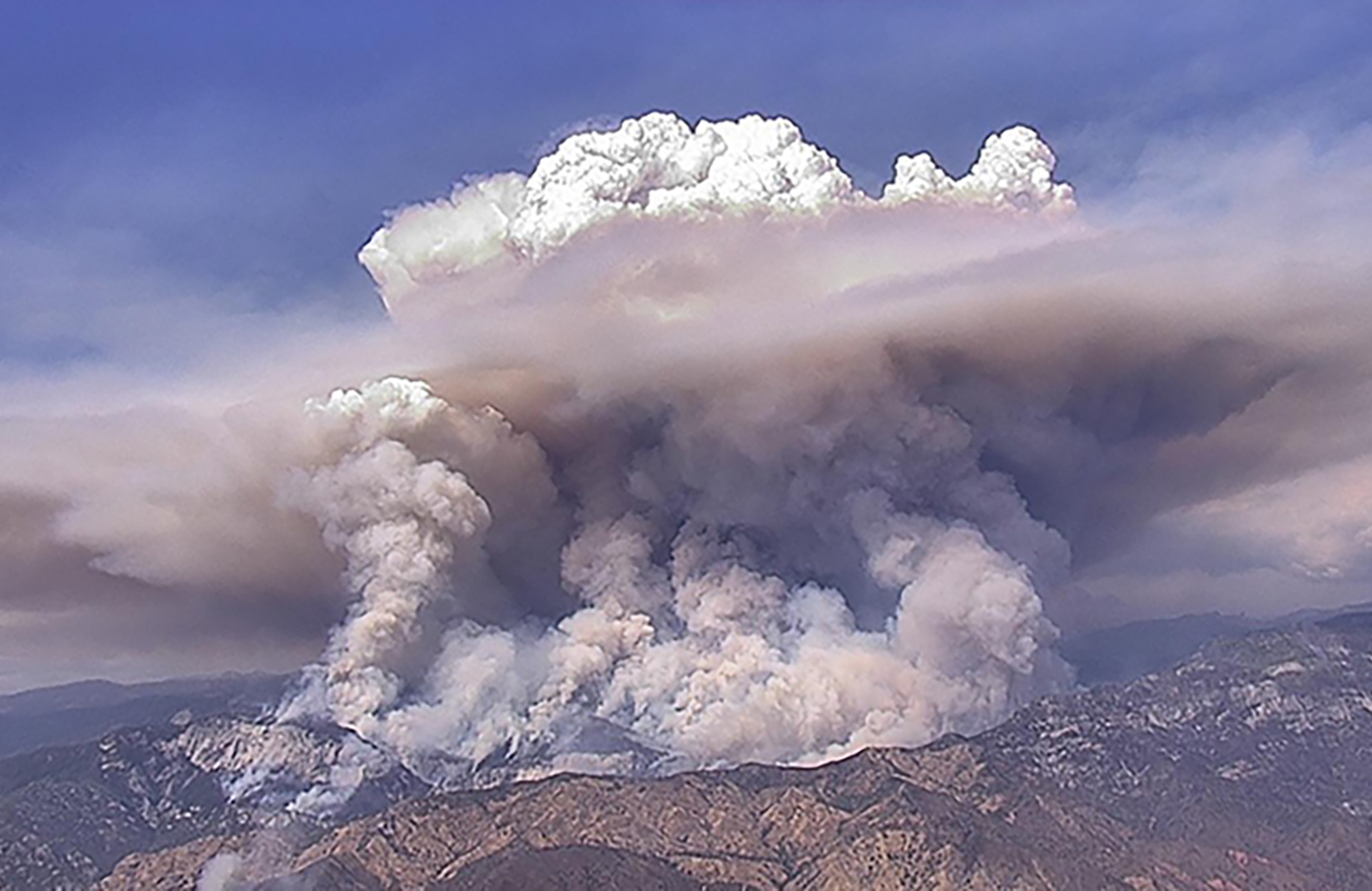
Garnet Fire
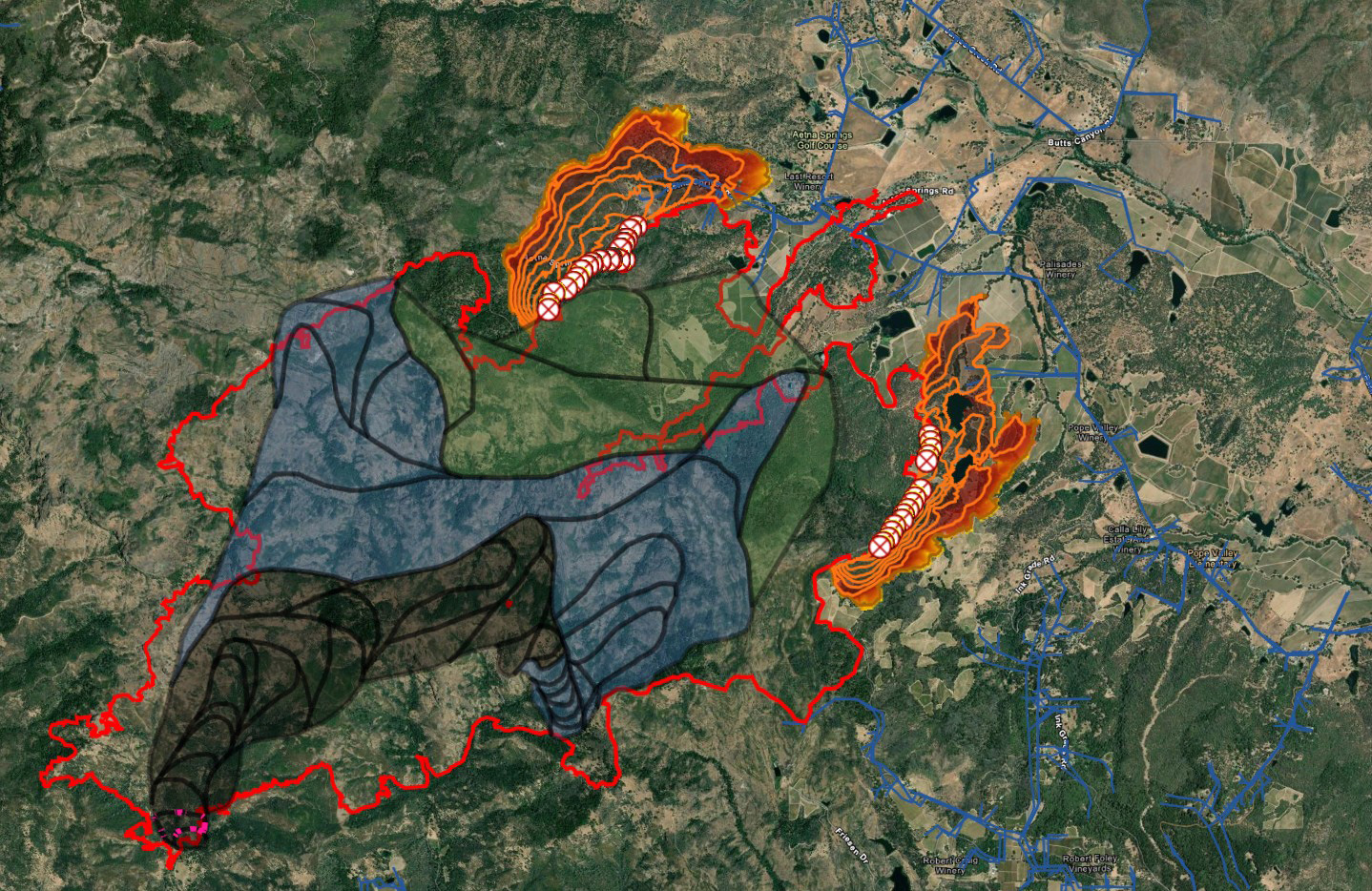
Picket Fire Modeling
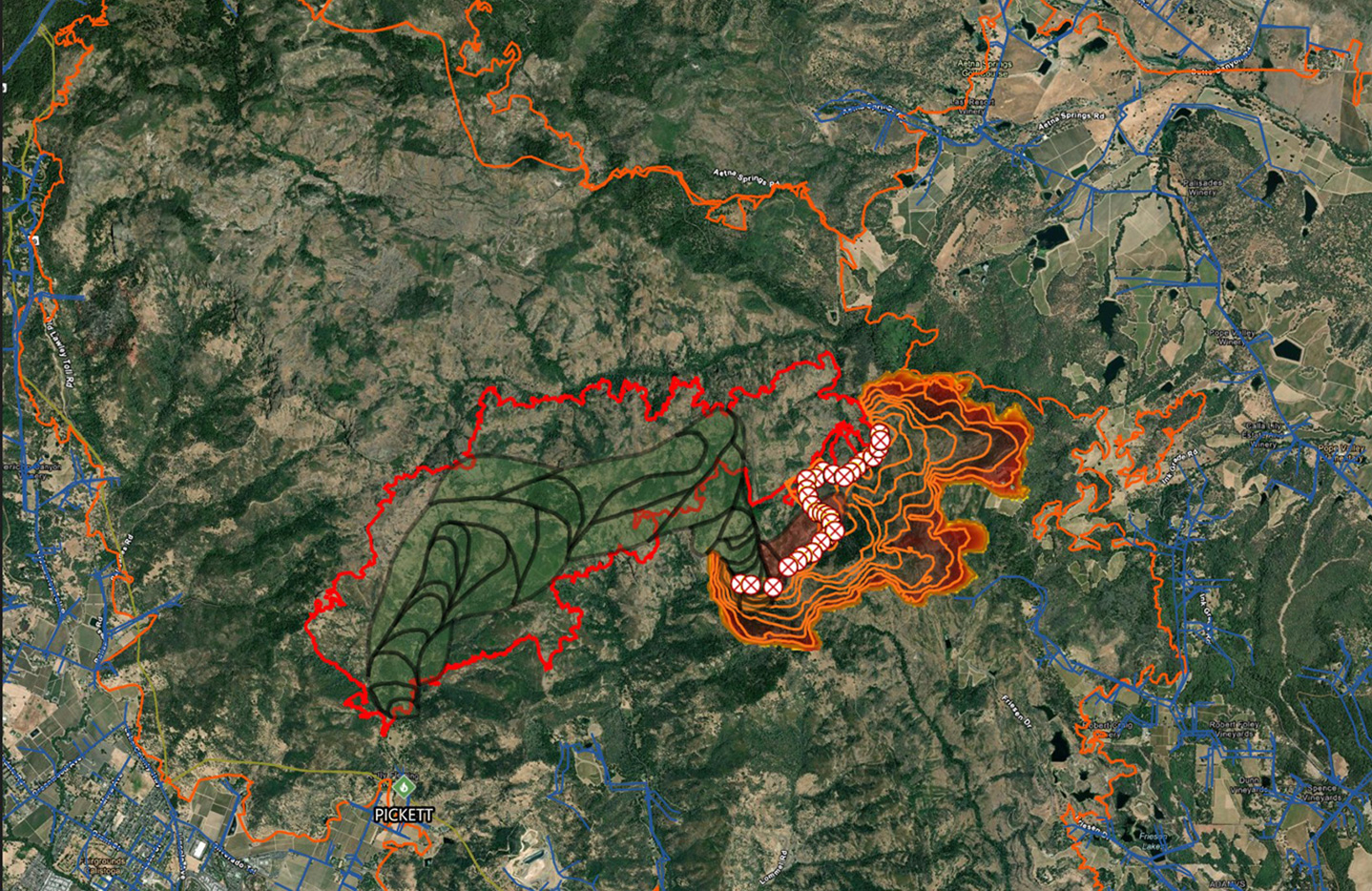
Picket Fire Modeling 2
Post-Incident Fire Behavior & Progression Analysis
Following a fire event, we deliver detailed post-incident modeling and behavior assessments. These evaluations help agencies and stakeholders understand what occurred, why fire behavior developed as it did, and how future risk can be reduced.
Technology-Driven Fire Analysis
With proficiency in industry-leading tools such as Technosylva Wildfire Analyst and FlamMap, we provide cutting-edge modeling, mapping, and visualization of wildfire spread and risk to support data-driven strategies.
Wildfire Risk Assessments
We perform comprehensive risk assessments that identify vulnerabilities and inform landscape-level fuel management, community protection planning, and mitigation strategies.
Fire Weather & Fire Danger Climatology Analysis
Our expertise includes analyzing historical and projected fire weather patterns to assess fire danger trends. This climatology-based insight helps organizations plan for long-term risk and adapt to changing environmental conditions.
Industry-Specific Wildland Fire Planning Services
We tailor our analytical services for industries, agencies, and landowners with unique exposure to wildfire risk — including utilities, energy developers, forestry, and community planners. Our services support compliance, operational preparedness, and resilience planning.
service related FAQ’s
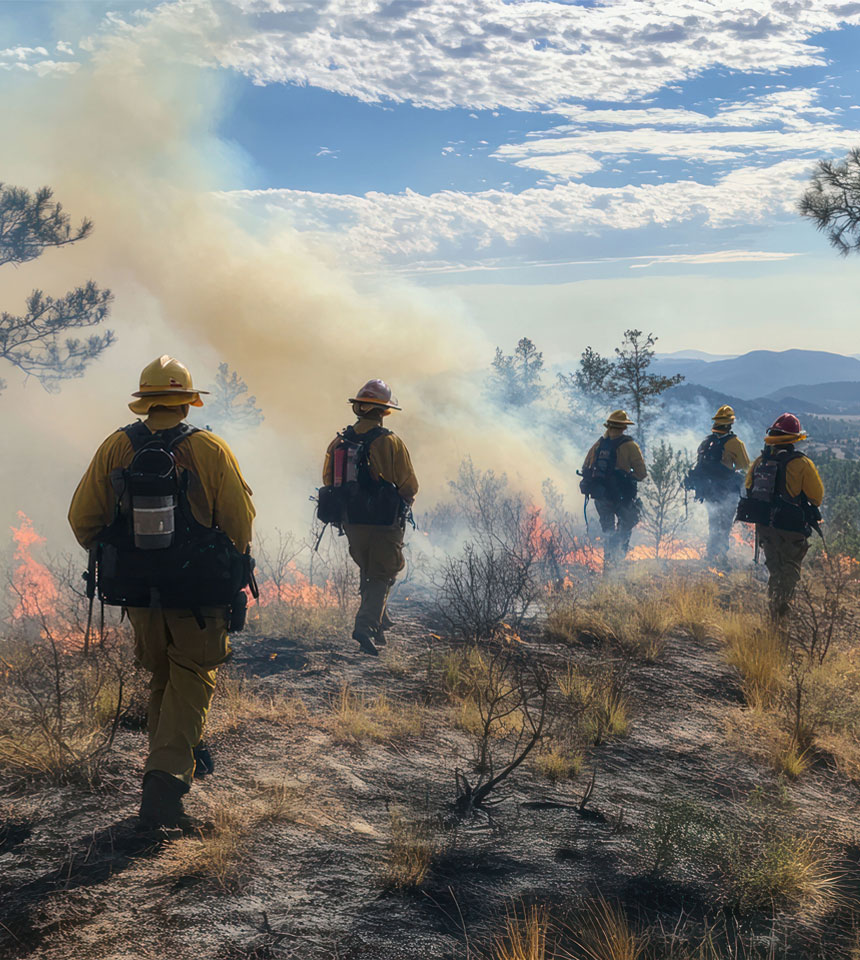
Prescribed fire, also known as controlled or planned burning, is the intentional use of fire under carefully controlled conditions to mimic natural fire processes. It helps reduce hazardous fuels, restore ecosystem health, and protect communities from severe wildfires.
Prescribed fire lowers fuel loads that could feed intense wildfires, recycles nutrients to promote healthy vegetation growth, controls invasive species, improves wildlife habitat, and supports ecological restoration goals. It helps create safer landscapes and reduces the risk of catastrophic wildfire damage.
Fire danger levels, such as Low, Moderate, High, Very High, and Extreme, help fire managers and the public understand risk severity on any given day, guiding safety practices, restrictions, resource allocation, and firefighting strategies.
Fuels management, such as thinning, prescribed fire, and creating defensible space, addresses hazardous vegetation identified in the plan to reduce wildfire severity and protect communities. Our team designs and supports these projects aligned with local needs.
The process involves a core team of local government, fire authorities, state forestry agencies, federal land managers, community stakeholders, and residents to ensure broad input and local priorities are reflected.